






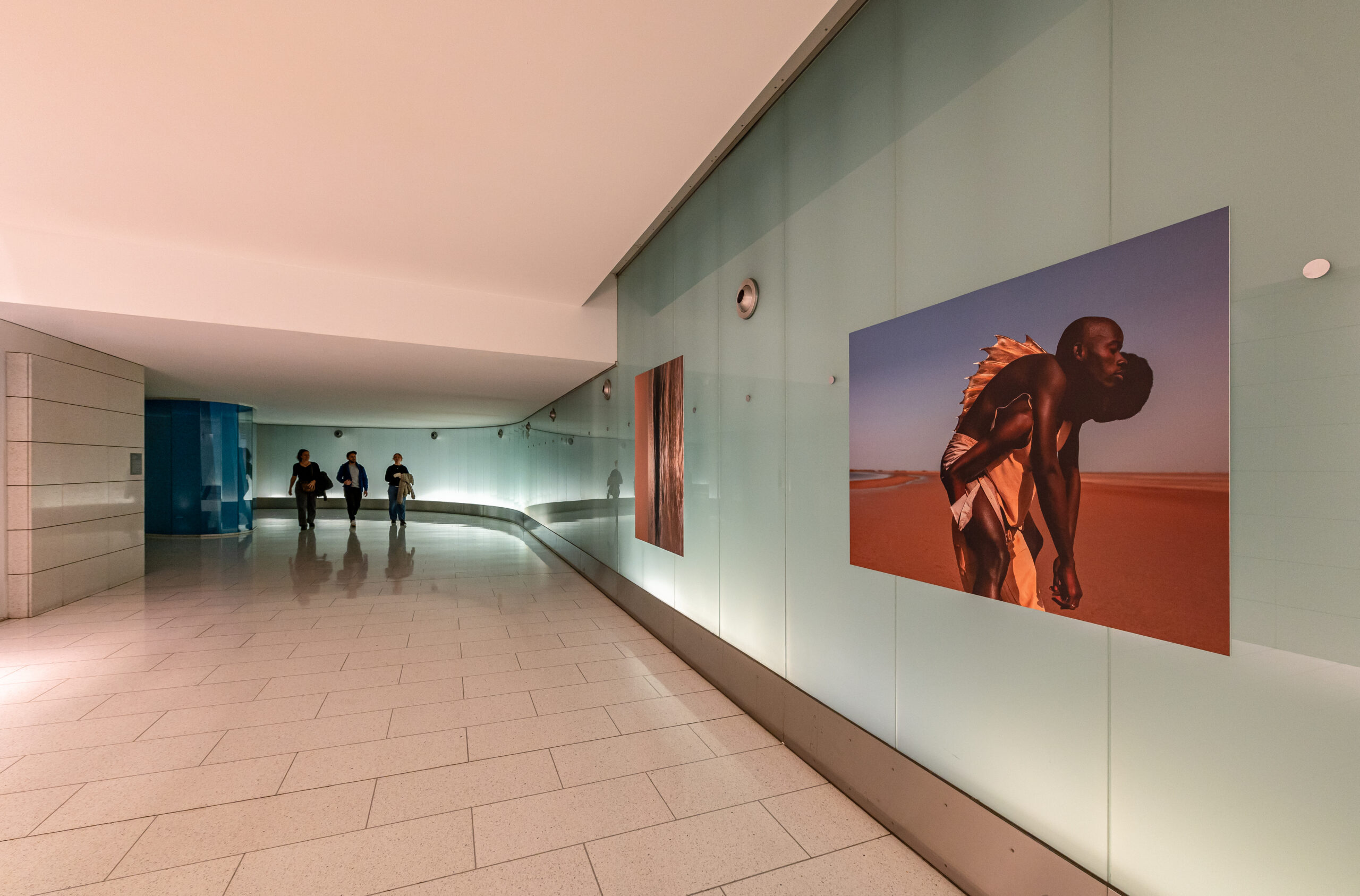
1. Montreal Has the Largest Underground City in the World
Beneath the busy streets of downtown lies the RÉSO (formerly known as the Underground City): a 33-kilometre network of corridors connecting over 120 destinations including shopping centres, hotels, offices, metro stations and restaurants. In the dead of winter, thousands of Montrealers go through their entire day without ever stepping outside.
2. The Mohawk Nation of Kahnawà:ke Is 15 Minutes from Downtown
Few visitors know this: less than 15 minutes from Montreal lies Kahnawà:ke, the territory of the Mohawk Nation (Kanien’kehá:ka). Inhabited for thousands of years, this territory has its own governance, its own Mohawk language school, and a cultural centre, the Kanien’kehá:ka Onkwawén:na Raotitióhkwa Cultural Center, dedicated to preserving the language and traditions of its people. The Mohawk Nation also played a key role in the construction of some of North America’s most iconic bridges and skyscrapers, thanks to the legendary fearlessness of their ironworkers, known as the “Skywalkers.”
Hôtel Monville tip: Look into the cultural events and guided tours offered at Kahnawà:ke for an authentic immersion into the history of the First Peoples here.
3. The Name “Montreal” Comes from a Sacred Mountain
Mount Royal (the “mont” that gave the city its name) was named by Jacques Cartier in 1535. But long before his arrival, the mountain was a gathering place and site of spiritual significance for the Indigenous peoples of the region, including the Haudenosaunee (Iroquois). Today, Mount Royal remains at the heart of Montreal’s identity, and its Sunday morning hikes.
4. Montreal Is the Second Largest French-Speaking City in the World
After Paris, Montreal is home to the second largest number of native French speakers in the world. But what makes it truly unique is its living bilingualism: here, people switch from French to English (and often to Spanish, Arabic or Creole) mid-sentence, with a fluency locals call “Franglais”.
5. The City Sparked an Artistic Revolution in Its Back Alleys
Montreal’s laneways (there are more than 450 of them) began transforming in the 2000s into green spaces and open-air art galleries, largely thanks to the “ruelles vertes” (green alley) initiative. Today, some are true collective works of art: community gardens, murals, sculptures and hanging planters coexist between residential buildings.
6. Montreal Is the Festival Capital of the World
More than 100 festivals take place in Montreal every year. The Montreal International Jazz Festival holds the Guinness World Record as the largest jazz festival on the planet, drawing over 2 million visitors. Add to that Just for Laughs (the world’s largest comedy festival), Osheaga, Piknic Électronik, Montreal en Lumière… the list goes on. Whenever you visit Montreal, chances are a festival is already underway.
7. The Mile End Has Been Named One of the Coolest Neighbourhoods in North America
Regularly featured in international rankings of the most creative and vibrant urban neighbourhoods, the Mile End is a fascinating microcosm: independent cafés, legendary recording studios (Arcade Fire recorded their albums here), wood-fired bagels baked around the clock, and a community of artists, writers and entrepreneurs that gives it an unmatched energy.
8. Montreal’s Architecture Hides a History of Space Smuggling
The famous wrought-iron exterior staircases that adorn Montreal’s residential buildings aren’t there for aesthetic reasons. There are several reasons for this architecture, but the most widely accepted explanation dates back to the 19th century, when landlords wanted to maximize interior floor space, so staircases were moved outside. The result: a skyline unlike anywhere else in the world, and some truly memorable descents on icy winter mornings.
9. Montreal Almost Became an Olympic City Twice
The 1976 Summer Olympics left Montreal with the Olympic Stadium and a debt that took 30 years to pay off, finally settled in 2006. Today, the stadium hosts concerts, trade shows and sports events, and its inclined tower remains the tallest leaning tower in the world.
10. Montreal’s Food Scene Is a One-of-a-Kind Fusion
Montreal cuisine goes far beyond poutine (irresistible as it is). It’s a unique blend: smoked meat rooted in Ashkenazi Jewish immigration, bagels baked differently from New York’s (sweeter, denser, honey-glazed), traditional Québécois cooking reinvented by a new generation of chefs, and culinary influences from over 120 cultural communities.
Ready to discover Montreal for yourself? Hôtel Monville welcomes you in the heart of downtown, steps away from all these treasures.
Article by Naomi Dupont – Travel blogger. This article’s content was enhanced using artificial intelligence tools to optimize its search engine ranking and readability.